Beyond the Crowds: Exploring the Peloponnese, Greece
Beyond the Crowds: Exploring the Peloponnese, Greece. Explore practical travel planning tips, itinerary ideas, and local highlights on BlooketjoinplayCom.
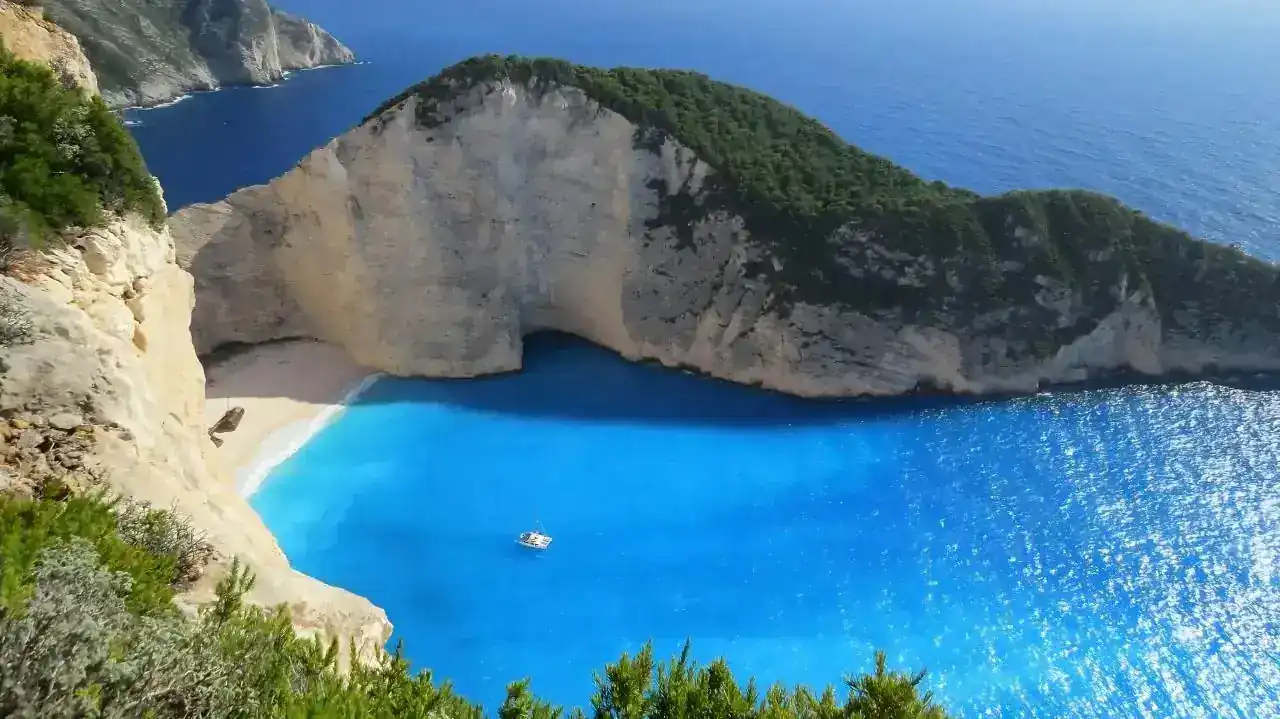
Forget Greece's crowded islands—The Peloponnese has ancient ruins, wild beaches and quiet villages, far from summer chaos.
Why the Peloponnese Feels Like the Real Greece
Ever been packed shoulder-to-shoulder in Santorini, thinking, “Where’s the actual Greece?” That’s exactly why I headed to the Peloponnese. It’s that big peninsula sticking off mainland Greece, connected by a tiny isthmus, and it’s got all the good stuff—Olympia, Mycenae, Epidaurus—but also this rough, unpolished charm that makes you feel like you’re in on a secret.
I spent a week driving its coastal roads, and the rhythm is different here. You stop at a random taverna where the owner brings out octopus he caught that morning, still dripping with seawater. You hike up to a Frankish castle and have the view entirely to yourself, the wind in your hair and not a single tourist in sight. It’s not about ticking off boxes; it’s about those little unplanned moments that stick with you.
When to Go: Spring and Autumn Are Gold
Skip July and August unless you love heat that pins you down and makes you sweat through your shirt. The real sweet spot is May to June or September to October—those in-between months where the crowds thin out and the weather feels just right.
In spring, the hills are still lush and green, wildflowers carpet the valleys, and ancient sites feel eerily quiet, like you’ve stepped back in time. Autumn brings warm sea temperatures and the grape harvest—local wine festivals pop up in villages like Nemea, where you can sip fresh wine straight from the barrel. I went in late September and swam in the sea every afternoon without fighting for a patch of sand.
The Ruins You Can Actually Breathe In
Everyone talks about the Acropolis in Athens, and don’t get me wrong—it’s amazing, but it’s also packed. Here, you get ancient sites with space to wander, to stop and soak it all in.
Epidaurus is a theatre so perfectly designed that you can hear a coin drop from the top seats—sit there and test it yourself, I did. Mycenae feels like stepping into a myth: the Lion Gate, the beehive tombs, and this weird, tangible sense that Agamemnon might just walk out around the corner. Then there’s Olympia, where the first Olympic Games were held. It’s not just ruins; it’s a whole sanctuary. You can run on the original track, which feels gloriously silly and weirdly profound at the same time.
The Messinian Coast: Where Mountains Meet the Sea
One of my favorite stretches is the Messinian coast, particularly around the towns of Koroni and Methoni. Both are capped by Venetian castles that jut out into the sea, their stone walls weathered by centuries of wind and waves.
You can swim right beneath the fortress walls, in water so clear it looks like a swimming pool. The beaches here aren’t organized—no umbrellas in perfect rows, no loud beach bars—just pebbly coves and locals with coolers, sipping ouzo and chatting. For something more dramatic, drive into the Mani Peninsula. The landscape turns stark, with stone towers dotting the hillsides. It feels like another country, quiet and unspoiled.
Eating Like a Local, Not a Tourist
In Nafplio, the charming first capital of modern Greece, you’ll find plenty of tourist-friendly spots with menus in five languages. But walk two streets back from the waterfront, and you’ll find little taverns where the menu’s only in Greek—and that’s how you know it’s good.
Order gialisteria (stuffed zucchini flowers) if they have them; they’re crispy, cheesy, and so fresh you’ll want seconds. If you’re feeling adventurous, try kokoretsi—a traditional dish of seasoned lamb offal roasted over charcoal, richer than it sounds. In the mountain villages around Arcadia, look for trahana soup—a tangy, fermented grain that’s pure comfort on a chilly evening. And don’t skip the local olive oil. It’s peppery and intense, the kind you’ll want to drizzle on everything.
A Few Practical Things
You have to rent a car here. The roads are winding, sure, but they’re well-maintained, and half the joy is stopping at a roadside stand for fresh oranges, their juice dripping down your wrist. Learn a few Greek words—efharisto (thank you) goes a long way, and locals genuinely appreciate the effort.
Also, many archaeological sites have limited hours in winter, so if you’re traveling off-season, check ahead. One more thing: don’t try to “do” the whole peninsula in three days. Pick a region—say, the Argolid or Messinia—and settle in. Slow down, eat well, and let the place sink in.