Kyoto, Japan: Finding Quiet in the Ancient Capital
Kyoto, Japan: Finding Quiet in the Ancient Capital. Explore practical travel planning tips, itinerary ideas, and local highlights on BlooketjoinplayCom.
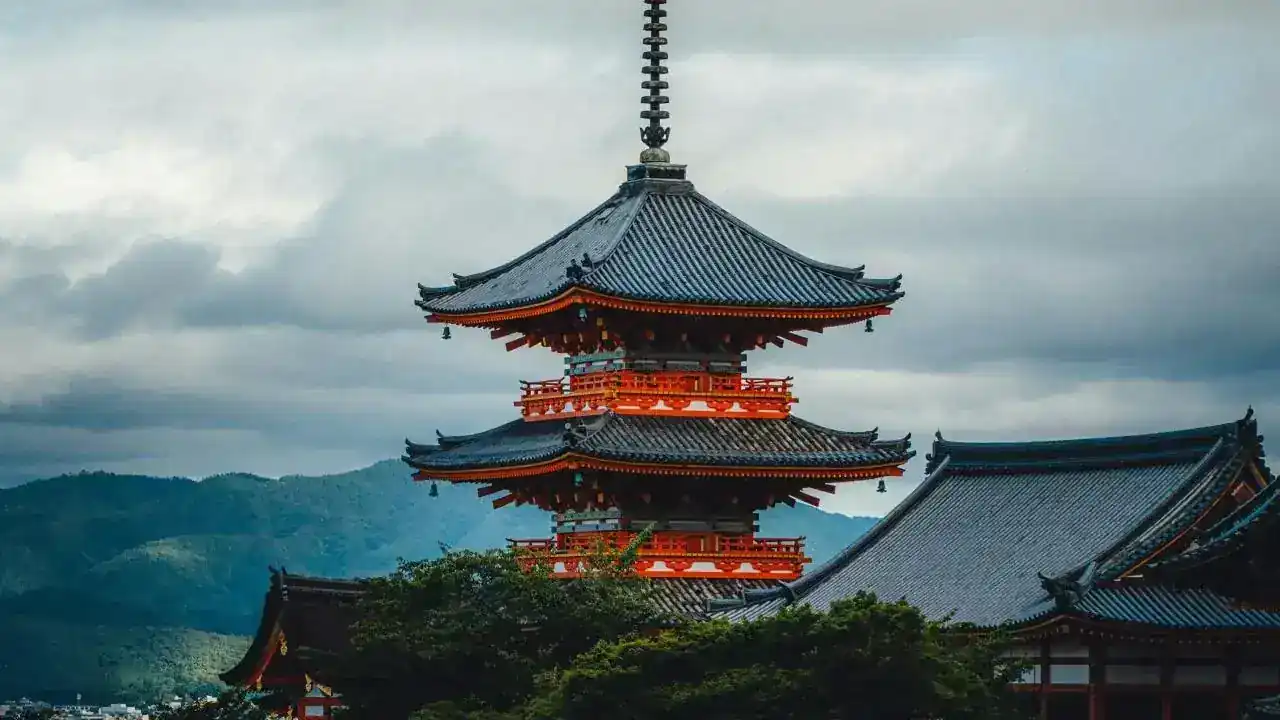
Kyoto can feel chaotic, but with a bit of planning, you'll find quiet temples, hidden gardens, and a slower rhythm.
The City That Rewards the Early Riser
I’ll be real with you: my first time in Kyoto was kind of a letdown—crowded buses, a line for Kiyomizu-dera that wrapped all the way down the hill. I almost bailed right then.
But then I figured out the city’s secret: it’s all about timing. Kyoto’s got layers. The famous spots are famous for a reason, but you gotta approach ‘em like a local—either roll up at 6 a.m. or wander the side streets where no tourists seem to go.
Once you get that trick down, Kyoto totally changes. Suddenly, it’s mossy gardens, bamboo groves where you can actually hear the wind rustle, and tiny cafés where the owner roasts coffee one bean at a time.
Spring or Autumn? Both Work—Here’s Why
Cherry blossom season—late March to early April—is stunning, but it’s also chaos. Book everything months ahead if you go then, and get ready to share every spot with other tourists.
I personally love November, when the maple trees turn fiery red and orange. The air’s crisp, and temples like Eikando and Tofuku-ji do evening illuminations that feel almost dreamlike. Summer’s humid—like, really humid—but if you don’t mind sweating through your shirt, you’ll catch festivals like Gion Matsuri.
Winter’s quiet and cold, and if you’re lucky, you’ll see snow dusting the golden pavilion at Kinkaku-ji—it’s like a postcard come to life.
Temples That Feel Like Your Own Secret
Yeah, you should see Kinkaku-ji (the Golden Pavilion) and Fushimi Inari with its thousand torii gates. But hit Fushimi Inari at dawn or dusk—crowds thin out the higher you climb, and the light hits the gates just right.
For something truly tranquil, head to Otagi Nenbutsu-ji in the northwestern hills. It’s a bit out of the way, but it’s filled with over 1,200 whimsical stone statues—each carved by novices, with expressions ranging from solemn to playful, like they’re sharing a secret.
Hardly anyone’s there. Or try Shinnyo-do, a temple near Ginkaku-ji that’s rarely crowded. Its garden feels like a painting you can step into, no crowds blocking the view.
The Real Gion: Beyond the Tourist Hype
Gion’s Kyoto’s most famous geisha district, but don’t expect to spot a geiko (that’s what locals call them) strolling down the main street. Tourists swarm there, and geikos are usually in a hurry to get to work.
Instead, wander the narrow alleyways off Shijo-dori—places like Hanami-koji—especially in the early evening. The lanterns glow, and it’s quiet enough to hear the wooden clogs of passersby.
If you want a deeper dive, skip the big tourist tea houses and book a ceremony at a small, family-run spot. It’s pricey, but you’ll feel that precision and calm that’s at the heart of Kyoto’s culture.
Eating Like a Local, Not a Tourist
Kyoto’s a food city—no question. Nishiki Market’s the go-to, but it gets packed. Don’t treat it like a restaurant; use it as a tasting stroll. Grab a skewer of grilled mochi, a slice of tamagoyaki (Japanese omelet), or some fresh wasabi that’ll make your nose tingle.
For a real meal, seek out shojin ryori—Buddhist vegetarian cuisine. It’s not just food; it’s a practice. Places like Shigetsu, a Michelin-recommended spot inside Tenryu-ji in Arashiyama run by the temple itself, serves multi-course meals that highlight seasonal veggies in ways you’ve never imagined.
Every dish feels intentional, like they’re honoring the ingredients—and you can taste it.
Practical Tips for a Smooth Trip
Get an ICOCA or Suica card for trains and buses—you’ll need a 500-yen deposit (refundable when you return it), and you can top it up at convenience stores too. It saves fumbling for change every time you ride.
Kyoto’s buses are efficient but slow. Renting a bike? Game-changer, especially for the eastern Higashiyama area—you can cruise at your own pace, no waiting for buses.
And a quick favor: don’t stop in the middle of narrow sidewalks to check your phone. Step aside. Locals are patient, but those streets are shared spaces. Also, if a temple says “no photography,” put the camera away. It’s not a suggestion—it’s out of respect for the culture.