Patagonia: Chile and Argentina's Untamed Wilderness
Patagonia: Chile and Argentina's Untamed Wilderness. Explore practical travel planning tips, itinerary ideas, and local highlights on BlooketjoinplayCom.
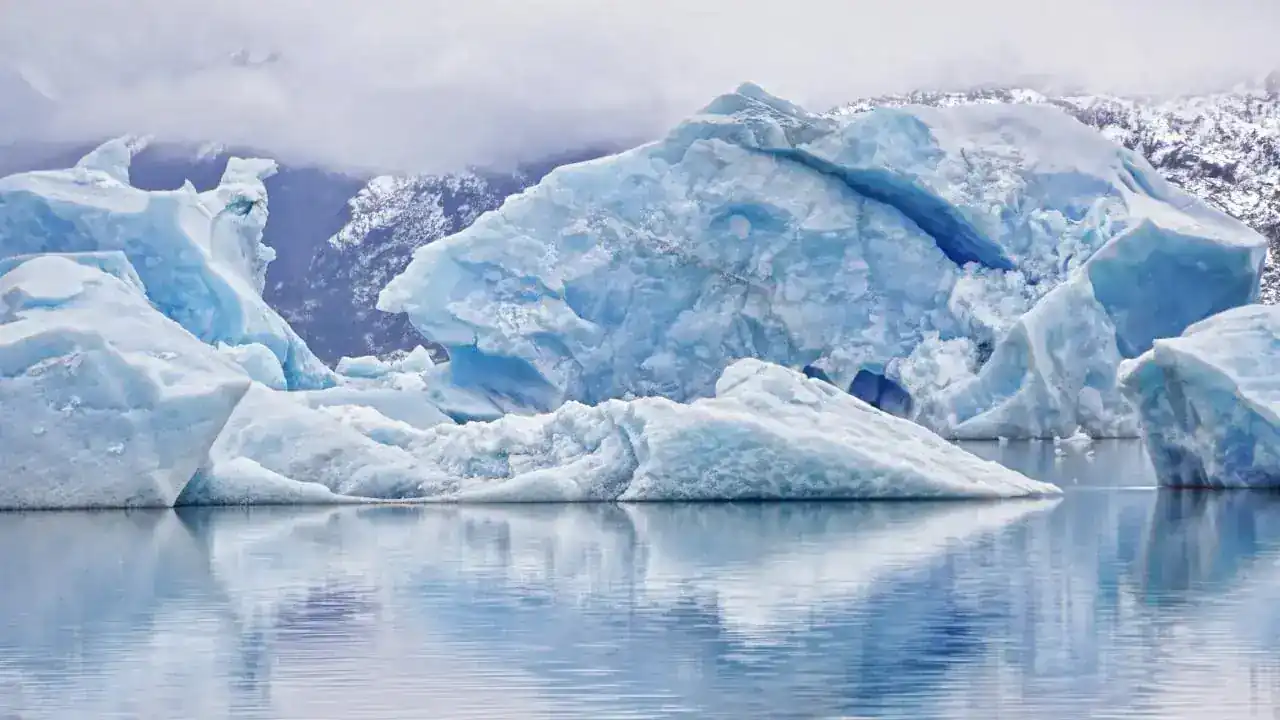
Patagonia humbles you—vast glaciers, sharp peaks, and winds that show nature's in control.
Why You Go Here
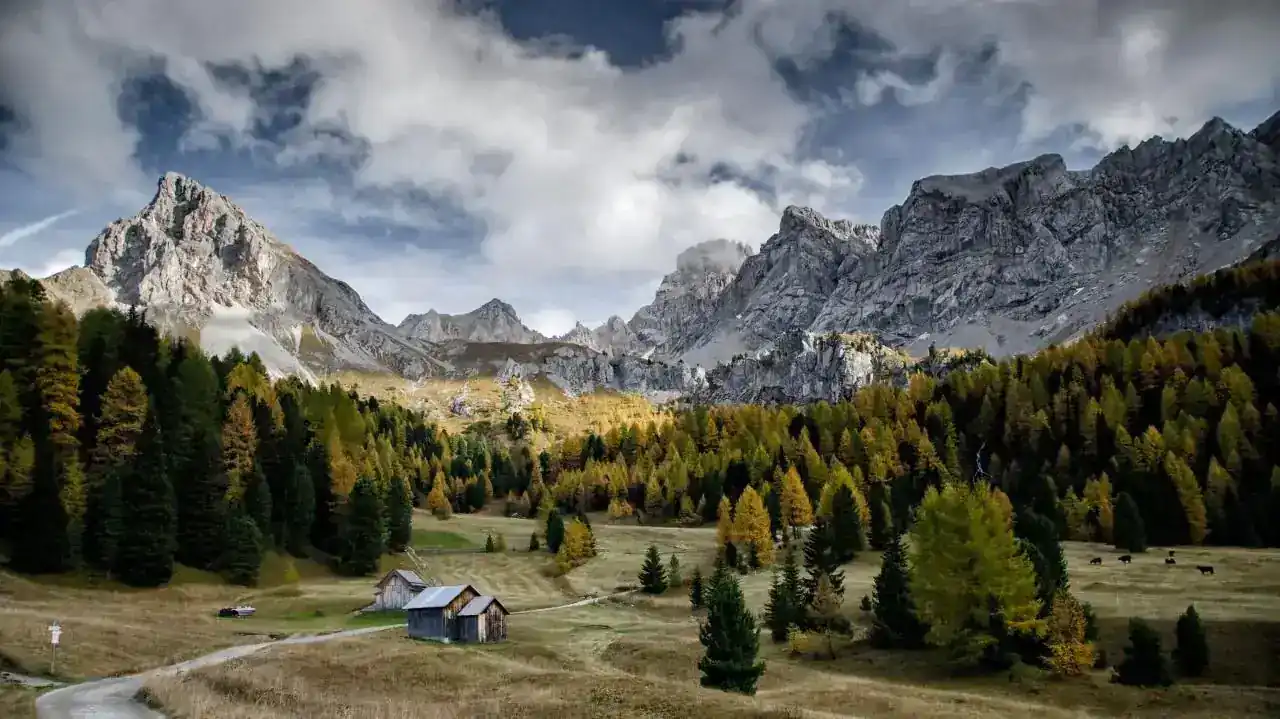
Some places are for unwinding with a cocktail. Patagonia’s for hitting reset on how big the world really is. It spans the southern tip of South America, split between Chile and Argentina, and it’s full of granite spires, electric-blue icebergs, and grasslands that stretch until they blend with the sky.
You come here to hike until your legs burn, to watch condors circle high above, and to finally get why people call landscapes “cathedral-like.” It’s not for anyone chasing comfort—weather flips every 10 minutes, and the wind’s so strong it’ll actually knock you off balance. But those moments? They stick with you long after you’re home.
When to Go: The Brief, Glorious Summer
The best time to visit is December through February. That’s when days are long—sunset’s around 10 p.m.—and most trails are free of snow. Even then, pack layers. I visited in January, and I saw sun, rain, and sleet all in one afternoon.
Popular trails had people, but it never felt crowded. If you want fewer folks around, try late November or early March. Just be ready for more unpredictable weather, and some lodges or tour services might be winding down for the season.
Torres del Paine, Chile: The Star Attraction
Torres del Paine National Park is the reason most people come. Those three granite towers—the torres—are on every Patagonia postcard. The W Trek is the classic multi-day hike; it takes you through valleys, past glaciers, right to the base of those iconic towers.
Day hikes work too. The Mirador Base de las Torres is a tough full-day climb, but standing beneath those peaks at sunrise? I still think about that moment. Heads up: Lodging in the park—refugios and campsites—sells out months early. Book ahead, no exceptions.
Los Glaciares, Argentina: Ice and Fitz Roy
Over on the Argentine side, Los Glaciares National Park has two main spots: El Calafate and El Chaltén. El Calafate is home to Perito Moreno Glacier, one of the few glaciers in the world that’s still growing.
You can walk the boardwalks right in front of it and watch huge chunks of ice crash into the water—the sound’s like thunder. El Chaltén is the trekking hub, where you’ll find the trail to Mount Fitz Roy. The hike to Laguna de los Tres is tough, but when you see Fitz Roy reflected in that turquoise water, you’ll get why people make the trip.
Navigating Between Countries
Crossing the border between Chile and Argentina is part of the Patagonia experience. Buses run regularly, but expect long waits at customs—they take their time checking passports.
If you’re renting a car, double-check the rules. Not all rental companies let you cross the border. Most travelers stay on one side for a few days, then head over. The scenery shifts fast: Chile’s side is greener, lusher with forests, while Argentina’s feels wider, with open plains stretching out.
What to Pack (Seriously)
Patagonia’s not a place to wing it. Layering is everything: a moisture-wicking base layer, a warm mid-layer—fleece or down—and a waterproof, windproof outer shell. That wind is unforgiving; a good shell makes or breaks your trip.
Sturdy, broken-in hiking boots are non-negotiable. Bring sunscreen and sunglasses too—the sun’s intense at these latitudes, especially with snow and ice reflecting it. And a reusable water bottle; you can fill it from streams (the water’s clean, but check local tips first).
A Few More Things
Cash is still king in remote areas, especially on the Chilean side. ATMs run out of money sometimes, and many small refugios don’t take cards. In Argentina, the “blue dollar” used to be a big deal, but these days, using a card usually gets a good rate—still, keep some Argentine pesos on hand.
And please, follow leave-no-trace rules. The ecosystem’s fragile, and trails are well-marked—stay on them. You don’t want to mess up this place for the next person.