The Azores, Portugal: Europe's Green Islands in the Atlantic
The Azores, Portugal: Europe's Green Islands in the Atlantic. Explore practical travel planning tips, itinerary ideas, and local highlights on BlooketjoinplayCom.
Nine volcanic Azorean islands, with crater lakes, hydrangea-lined roads and seclusion, feel like a hidden lost world.
An Unexpected European Escape
I’ve heard people call the Azores the “Hawaii of Europe,” but honestly, that doesn’t do them justice. This cluster of islands, about 1,500 kilometers west of Lisbon, has a vibe all its own. Each one’s got a personality—São Miguel’s all about geothermal heat, Pico has that towering mountain, and Flores is dotted with waterfalls.
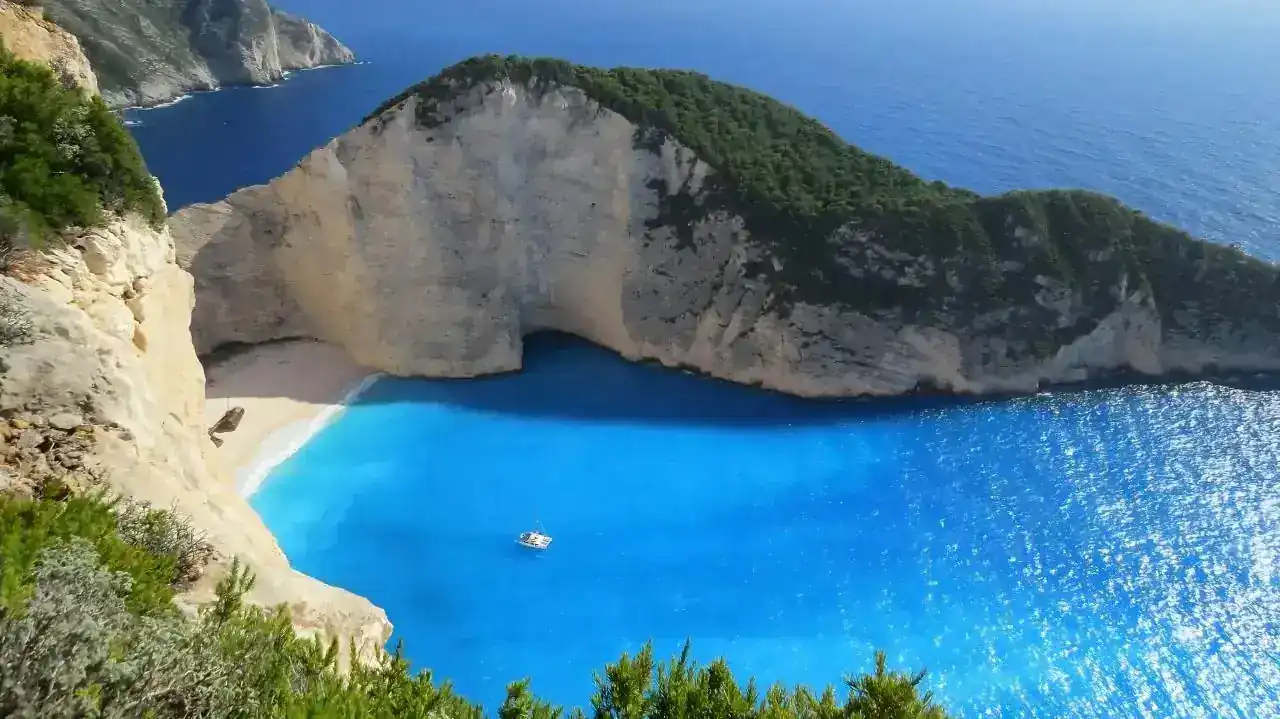
What ties them together is that raw, unpolished volcanic beauty: emerald lakes tucked in craters, black sand beaches, and cliffs that drop straight into the deep blue Atlantic. It’s not about luxury resorts or all-inclusive deals here. It’s more about lacing up your hiking boots, eating seafood so fresh it tastes like the ocean, and soaking in natural hot springs while you listen to the waves crash nearby.
Best Time: Summer for Sun, Spring for Flowers
June to September is when the weather’s warmest, and you can count on good conditions for outdoor stuff. July and August are the busiest months, but “busy” here is nothing like mainland Europe—you won’t be fighting crowds everywhere.
The Atlantic water’s still cool for swimming (it’s not tropical, after all), but the landscapes are lush and green. Spring, from April to May, is magic for hydrangeas—they line the roads in bright blues and pinks, like someone spilled paint along the way. Winter’s mild but rainy, and some hiking trails get muddy or closed, so I’d skip that if you’re here for adventures.
São Miguel: The Gateway Island
Nearly all travelers start their Azores trip on São Miguel, the biggest island. The star here is Sete Cidades, a huge volcanic crater with two lakes—one blue, one green—that look almost too perfect to be real. You can drive around the rim, hike down to the water, or rent a kayak to get up close.
Don’t miss Furnas, a geothermal valley where steam bubbles up from the ground. Locals cook cozido, a meat and vegetable stew, by burying pots in the hot soil. Grab a bowl for lunch—trust me, it’s an experience you won’t forget, warm and full of local flavor.
Pico: Mountain and Wine
Pico island is dominated by Mount Pico, Portugal’s highest peak at 2,351 meters. If you’re in shape, climbing it is tough—think loose volcanic rock and a 4 a.m. start—but the view from the top is out of this world, like looking down on a sea of clouds.
The island’s also a UNESCO wine region, with miles of black stone walls shielding vineyards from the sea wind. You can tour the vineyards and taste the local verdelho wine—it’s crisp and unique, with a hint of the island’s volcanic soil. And whale watching here is top-notch—sperm whales are common in the waters around Pico.
Flores: Remote and Waterfall-Rich
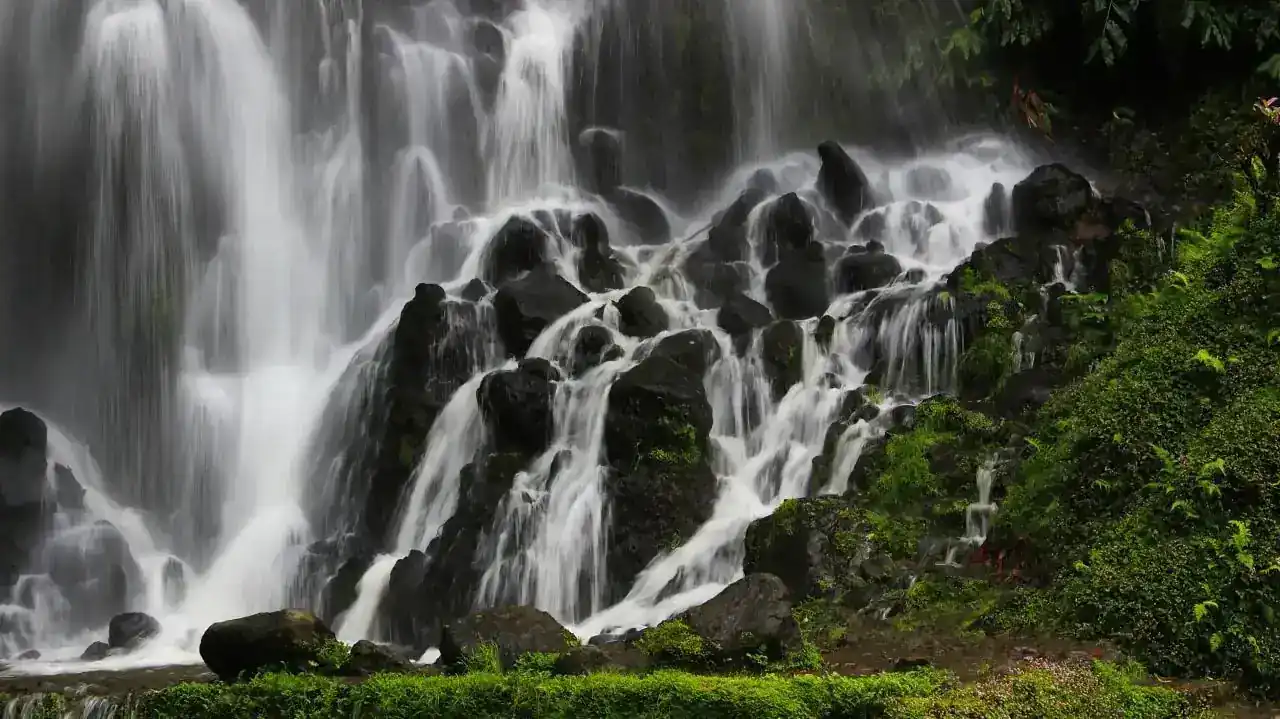
If you want to get truly away from it all, Flores is your spot. It’s one of the westernmost islands, with a tiny airport and some of the most untouched nature you’ll find. The whole island is covered in waterfalls, many of which pour right into the ocean.
Poço da Ribeira do Ferreiro is stunning—multiple waterfalls plunge into a bright green pool. It’s a short, easy walk through greenery, and when you get there, you’ll feel like you’ve stumbled on a secret spot. To get to Flores, you’ll usually need a connecting flight from São Miguel or Terceira.
Practical Travel Tips
Island-hopping is easiest by plane—flights between islands are frequent and cheap. Ferries exist, but they’re slower and can get rough if the sea’s choppy. Renting a car is a must for exploring any island; the roads are winding but well-kept, so you can take your time and stop at random viewpoints.
Pack layers, even in summer—mornings and evenings can be chilly, and rain can pop up out of nowhere. The Azores are big on eco-tourism, so stick to the trails and respect the natural areas. Hot springs are usually free, but they can get crowded—go early or late to avoid the rush.