Iceland’s Ring Road: A Complete Guide to Driving the Ultimate Road Trip
Iceland s Ring Road: A Complete Guide to Driving the Ultimate Road Trip. Explore practical guides planning tips, itinerary ideas, and local highlights on BlooketjoinplayCom.
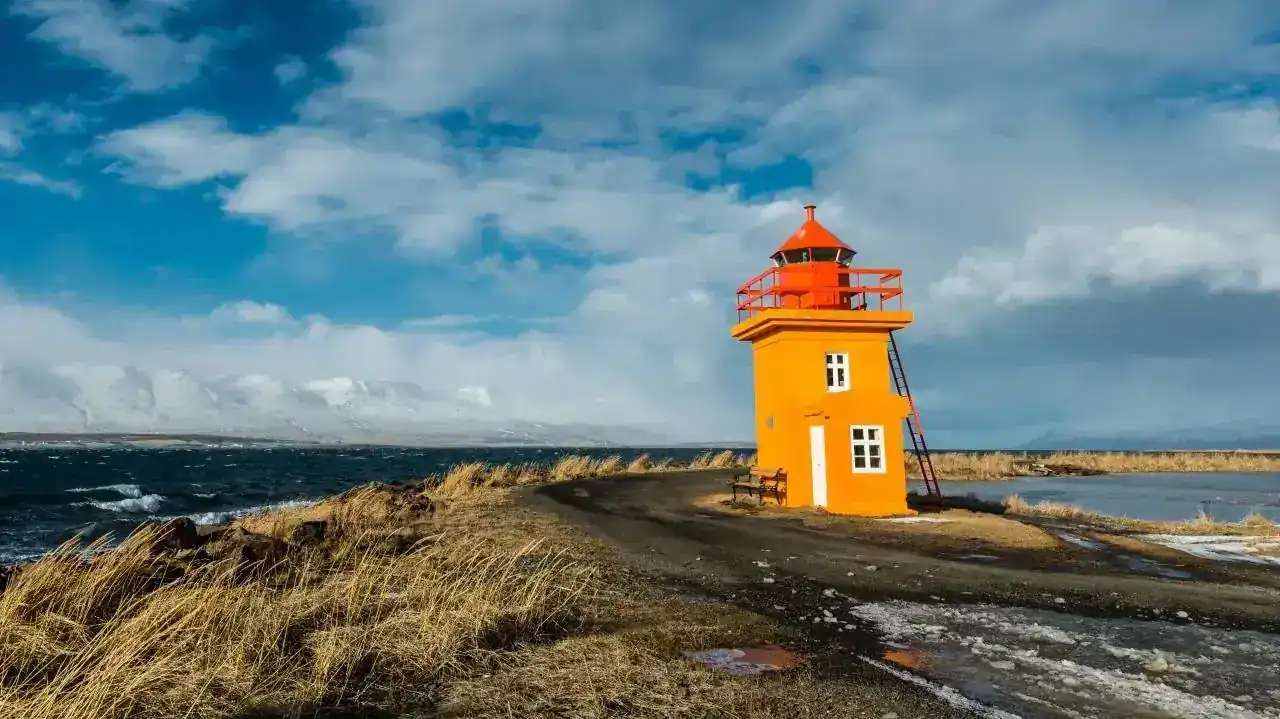
Iceland’s Route 1 circles the entire island, passing waterfalls, glaciers, and volcanic landscapes that look like another planet. This 1,332-kilometer journey deserves a spot on every traveler’s bucket list.
Planning Your Route and Timing
Most travelers tackle the Ring Road counter-clockwise, starting from Reykjavik and heading south first. This approach saves the dramatic north coast for later in your trip, when you’ve gotten used to Iceland’s challenging driving conditions.
Summer offers the easiest driving—long daylight hours mean you can see sights at midnight if you want. June through August brings midnight sun, wildflowers, and accessible highland roads. But expect company at popular stops; parking lots fill by mid-morning.
Shoulder seasons (May and September) offer fewer crowds and lower prices. Some highland roads close, but the Ring Road stays open year-round. Just pack for every type of weather—I’ve experienced sun, rain, and snow in a single June day.
Essential Vehicle Considerations
A standard rental car works fine for summer Ring Road trips. You won’t need a 4x4 unless you plan to explore F-roads into the highlands. Compact cars save money on gas, which costs significantly more than in North America.
Insurance matters more here than most destinations. Gravel protection covers windshield chips from loose road surfaces. Sand and ash insurance protects against wind-blown volcanic particles that can damage paint. Skip these, and you might face a hefty bill at return.
Familiarize yourself with Icelandic driving laws before arriving. Headlights must stay on 24/7—it’s the law. Off-road driving is illegal and carries heavy fines. Sheep have right of way, and they wander onto roads without warning.
South Coast Highlights You Can’t Miss
Seljalandsfoss offers something rare: you can walk behind the waterfall. Waterproof gear is essential unless you want to arrive at your next stop soaked. The path gets slippery, so wear shoes with actual grip.
Skógafoss sits just 30 kilometers down the road, and its 60-meter cascade creates constant rainbows on sunny days. Climb the 527 steps to the top for views stretching all the way to the glacier on clear days.
Reynisfjara’s black sand beach looks otherworldly, but respect the warning signs. Sneaker waves have killed tourists who turned their backs on the ocean. Stay back from the waterline, and you can safely admire the basalt columns and sea stacks.
East Fjords: Iceland’s Hidden Gem
The East Fjords see far fewer tourists than the south coast, and that’s precisely their appeal. Winding roads hug steep mountainsides, dropping into fishing villages that feel frozen in time.
Seyðisfjörður gained fame as the filming location for Walter Mitty’s skateboarding scene. Its colorful wooden houses and rainbow-painted street make it one of Iceland’s most photogenic towns. The drive over the mountain pass offers stunning views—you might spot reindeer grazing on the slopes.
Djúpivogur is worth a stop for its quirky bird sculpture installation on the harbor. The village also serves as a gateway to the dramatic Búlandsnes peninsula, where hiking trails lead to abandoned farms and seal colonies.
North Iceland’s Geothermal Wonders
Mývatn deserves at least two full days. This lake district packs in more geological diversity than anywhere else in Iceland: pseudo-craters, lava fields, hot springs, and Dimmuborgir’s alien rock formations.
The Mývatn Nature Baths offer a more affordable alternative to the Blue Lagoon, with fewer crowds and equally stunning views. Soak in milky-blue geothermal water while steam rises around you.
Dettifoss is Europe’s most powerful waterfall, and it roars with a sound you’ll feel in your chest. The east side offers better views but requires a rough drive. The west side is easier to reach, though you’ll see the falls from further back.
Westfjords: For Adventurous Detours
If you have extra time, the Westfjords reward patient travelers. This remote peninsula sees a fraction of Iceland’s visitors, and its dramatic cliffs host millions of seabirds during summer months.
Hornstrandir Nature Reserve is Iceland’s last true wilderness. No roads reach it—you’ll need to take a boat from Ísafjörður and hike. Arctic foxes roam freely here, having never learned to fear humans.
The road to Látrabjarg cliff winds through spectacular scenery before reaching Europe’s westernmost point and its largest bird cliff. Puffins nest here by the thousands, and they’re surprisingly approachable.
Budget Reality Check
Iceland isn’t cheap, but the Ring Road offers better value than staying in Reykjavik. Campsites cost 1,500-2,500 króna per person and include hot showers. Many have cooking facilities, letting you avoid restaurant prices.
Grocery stores in every town stock basics at reasonable prices. Bonus is the budget-friendly chain—look for its pink pig logo. Stock up in larger towns; remote gas station stores charge premium prices for everything.
Fuel costs add up quickly. The Ring Road’s 1,332 kilometers might require 2-3 full tanks depending on your car. Budget at least 15,000 króna for gas alone, more if you take detours.