New Zealand’s South Island: The Ultimate Adventure Destination
New Zealand s South Island: The Ultimate Adventure Destination. Explore practical guides planning tips, itinerary ideas, and local highlights on BlooketjoinplayCom.
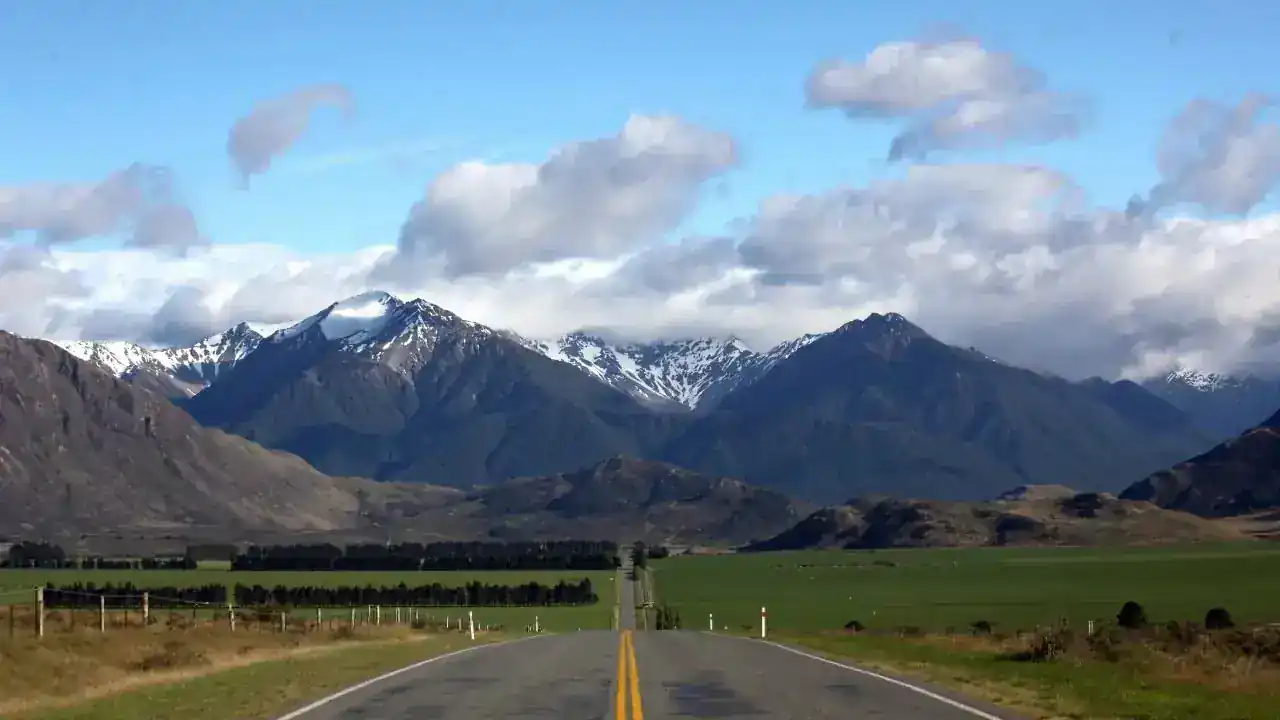
Glaciers meet rainforests, fjords cut through mountain ranges, and adventure sports lurk around every corner. New Zealand’s South Island packs more natural drama into one landmass than seems geographically possible.
When to Visit for Different Activities
Summer (December-February) offers the best weather for hiking and water activities. Days stretch past 9 PM, giving you maximum exploration time. This is peak season, so book accommodations early and expect company at popular spots.
Winter (June-August) transforms the Southern Alps into ski country. Queenstown and Wanaka become base camps for downhill and cross-country skiing. The ski season runs from June to October, with best snow typically in July and August.
Shoulder seasons offer a compelling compromise. March and April bring golden light, autumn colors, and fewer crowds. September and October showcase wildflowers and newborn wildlife. Pack layers either way—South Island weather changes rapidly.
Queenstown: Adventure Capital of the World
Queenstown has earned its reputation. Bungy jumping originated here, and the Kawarau Bridge site still operates. If jumping off bridges attached to a giant rubber band appeals to you, this is hallowed ground.
Skyline Gondola offers less terrifying thrills. The luge track winding down the mountain provides family-friendly fun with stunning lake views. Multiple tracks cater to different speed preferences.
Milford Sound day trips leave from Queenstown, though they’re long days. The five-hour drive each way is spectacular, but consider staying overnight in Te Anau to break up the journey.
Fiordland National Park’s Dramatic Landscapes
Milford Sound gets most attention, but Doubtful Sound might be better. This massive fjord sees a fraction of Milford’s visitors. Overnight cruises let you experience the silence when day-trippers depart.
The Kepler Track offers one of New Zealand’s Great Walks without the booking headaches of the Milford Track. Four days take you through beech forests, across alpine ridges, and along lake shores.
Te Anau makes the perfect Fiordland base. This small town on Lake Te Anau has all essential services without Queenstown’s crowds or prices. The glowworm caves across the lake offer a magical underground experience.
The West Coast’s Glaciers and Rainforests
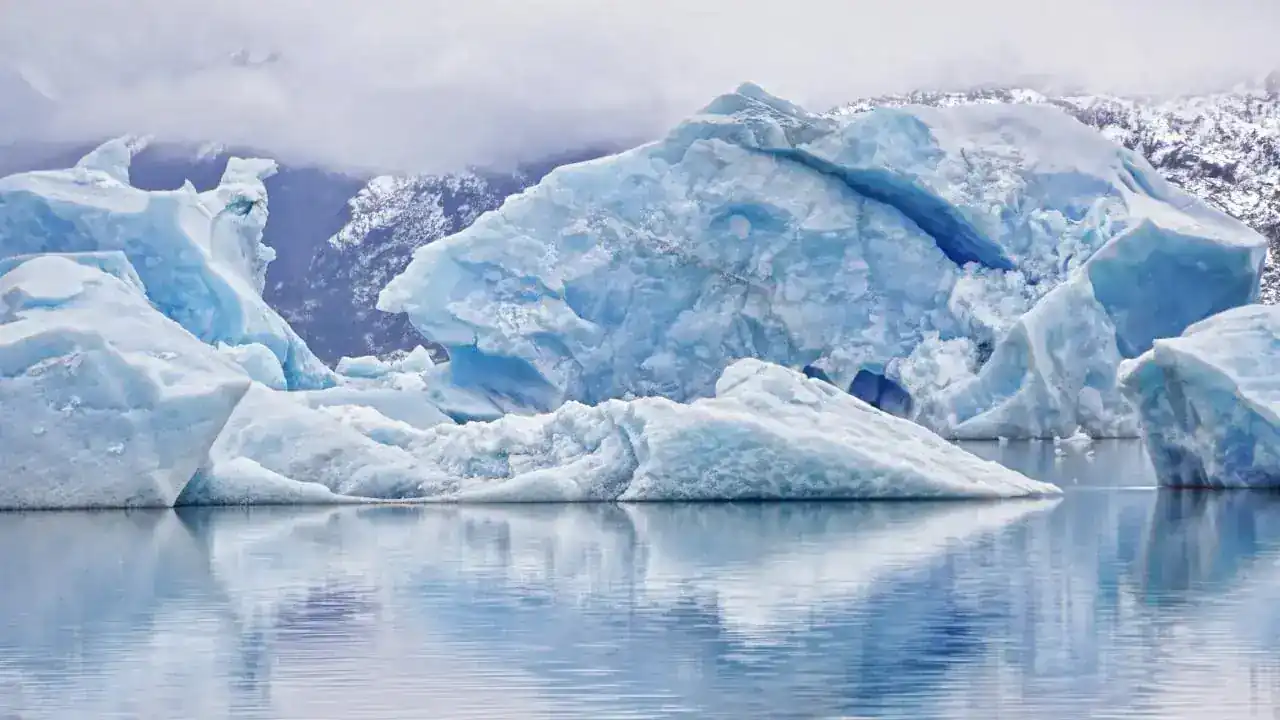
Franz Josef and Fox glaciers descend almost to sea level, a rarity worldwide. Climate change has dramatically reduced their size, but they remain impressive. Guided walks onto the ice require crampons and proper equipment—don’t attempt this alone.
Lake Matheson near Fox Glacier offers that perfect mirror reflection of Mount Cook. Go at sunrise for the best chance of still water. The 2.5-kilometer loop walk takes about an hour.
Hokitika Gorge showcases turquoise water that doesn’t look real. The swing bridge and short walking track make this an easy stop along the coastal highway. Local greenstone (pounamu) carving studios are worth exploring in Hokitika town.
Wanaka: Queenstown’s Cooler Little Sister
Wanaka offers Queenstown’s stunning scenery without its intensity. The lakefront is peaceful, the hiking is world-class, and you can actually find parking downtown.
Roys Peak Track delivers one of New Zealand’s most Instagrammed views. The steep climb takes 3-4 hours round trip, and you’ll want to start early to avoid crowds at the summit. The photo of the ridge line with the lake behind has become iconic.
Puzzling World provides quirky fun for all ages. The illusion rooms and giant maze make this a great rainy day activity. The leaning tower out front makes for easy photo opportunities.
Christchurch and the Surrounding Region
Christchurch has reinvented itself since the devastating 2011 earthquake. The city combines heritage architecture with innovative new buildings. The Cardboard Cathedral is exactly what it sounds like—and it’s beautiful.
Akaroa, an hour’s drive away, offers French colonial charm and harbor cruises. This volcanic crater harbor hosts the world’s smallest dolphins. Swimming with them is possible, though sightings aren’t guaranteed.
Arthur’s Pass connects Christchurch to the West Coast through spectacular mountain scenery. The highway itself is an adventure, with viaducts cutting through impossible terrain. Kea birds frequent the parking areas—they’re playful, destructive, and completely unafraid of humans.
Mount Cook National Park
Aoraki/Mount Cook is New Zealand’s highest peak at 3,724 meters. The village beneath it offers the country’s most dramatic mountain accommodation. Book well ahead for summer visits—the Hermitage Hotel fills months in advance.
Hooker Valley Track provides accessible alpine scenery. The three-hour round trip crosses swing bridges and ends at a glacial lake with icebergs. No hiking experience required, just reasonable fitness.
Tasman Glacier Lake offers a different perspective. A short walk leads to a viewpoint over the terminal lake. Guided boat tours take you among icebergs calved from New Zealand’s longest glacier.