Greece Beyond Santorini: Undiscovered Islands Worth Your Time
Greece Beyond Santorini: Undiscovered Islands Worth Your Time. Explore practical guides planning tips, itinerary ideas, and local highlights on BlooketjoinplayCom.
Santorini and Mykonos get all the attention, but Greece has over 200 inhabited islands. These lesser-known gems offer authentic experiences without the crowds or the inflated prices.
Why Skip the Famous Islands
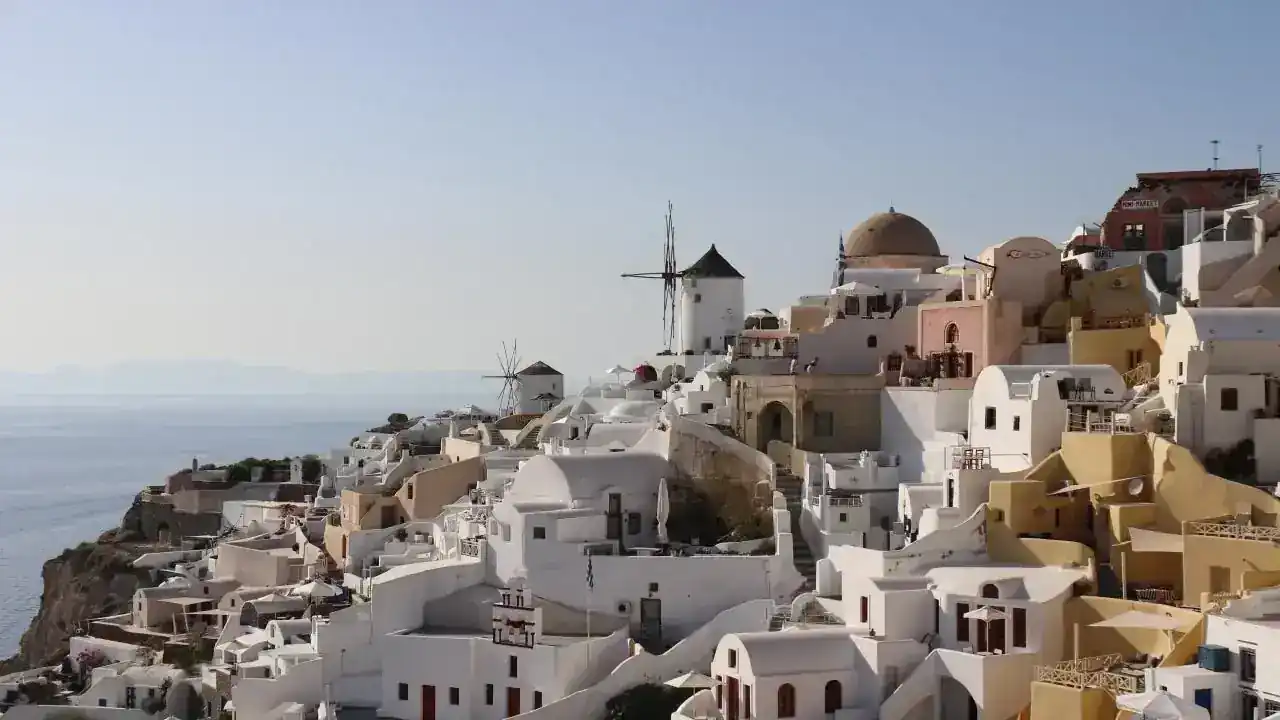
Santorini’s caldera views are undeniably spectacular. But fighting through crowds at Oia’s sunset viewpoint, paying €15 for a coffee, and booking restaurants weeks in advance diminishes the magic. The island has become a victim of its own Instagram fame.
Lesser-known islands offer everything that made Greece famous: white-washed buildings, crystalline waters, and tavernas serving impossibly fresh seafood. You’ll just experience them without sharing every moment with thousands of strangers.
Ferry connections have improved dramatically. High-speed vessels reach distant islands in hours rather than days. Island hopping no longer requires the marathon journeys of decades past.
Folegandros: The Anti-Santorini
Folegandros sits just 40 minutes by ferry from Santorini but feels worlds away. The Chora (main town) perches dramatically on a cliff, offering sunset views rivaling Oia without the crowds.
Beaches here are wild and accessed by foot or boat. Angali Beach requires a 15-minute hike, ensuring it never gets overcrowded. The effort filters out the cruise ship passengers who dominate more accessible spots.
Accommodation costs a third of Santorini prices. Family-run studios with sea views rent for €50-80 nightly in high season. Book early even so—limited options fill quickly with travelers in the know.
Naxos: The Largest Cycladic Island
Naxos combines everything great about Greek islands in one package. Sandy beaches stretch for kilometers, mountain villages preserve traditional life, and ancient ruins provide cultural depth.
Portara, the massive marble doorway, frames spectacular sunsets. Unlike Santorini’s Oia, you’ll share the experience with dozens of people, not hundreds. The short walk from town makes it accessible without tour buses.
The interior villages deserve exploration. Halki, Filoti, and Apiranthos offer glimpses of island life unchanged by tourism. Local producers sell kitron (citrus liqueur) and textiles directly from workshops.
Ikaria: Where People Live Forever
Ikaria has one of the world’s highest concentrations of centenarians. Researchers attribute this to diet, lifestyle, and the island’s relaxed approach to time. “Ikarian time” means nothing starts when scheduled, and nobody seems bothered.
The beaches range from sandy to rocky, with thermal springs at Therma offering natural hot tub experiences. The water is said to have healing properties—locals certainly believe it.
Festivals called panigyria happen throughout summer. These all-night celebrations feature live music, traditional food, and dancing that continues until dawn. Tourists are welcomed as honored guests.
Kythira: The Ionian Outlier
Kythira technically belongs to the Ionian Islands but sits below the Peloponnese, creating a unique cultural blend. Venetian, British, and Greek influences all left their marks on architecture and traditions.
The island sees remarkably few foreign tourists. Most visitors are Greeks from Athens, meaning English is less commonly spoken than on popular islands. This also means more authentic experiences and better prices.
Waterfalls at Mylopotamos cascade into pools perfect for swimming. The hike down requires decent shoes, but the cool water and dramatic setting reward the effort. This isn’t typical Greek island scenery.
Serifos: Raw and Rugged
Serifos attracts a creative crowd—artists, writers, and musicians who appreciate its unpolished character. The Chora tumbles down a hillside, with white cube houses stacked seemingly at random.
The mining history created industrial ruins now reclaimed by nature. These structures create an almost post-apocalyptic landscape unlike anywhere else in the Cyclades. Photographers love the contrast.
Beaches remain wild and undeveloped. Psili Ammos requires a drive down a rough track, ensuring it stays quiet even in August. Pack lunch and water—no beach bars exist here.
Practical Island-Hopping Tips
Purchase ferry tickets in advance for July and August. The earliest and latest boats fill first, leaving mid-day options that eat into beach time. Online booking through Ferryhopper or Direct Ferries is straightforward.
Rent cars on larger islands like Naxos but use ATVs or scooters on smaller ones. Narrow roads and limited parking make smaller vehicles practical. International driving permits are technically required—rental agencies sometimes overlook this, but police might not.
Bring cash to smaller islands. ATMs exist but sometimes run out of money during peak season. Many tavernas and rooms don’t accept cards. Greece remains more cash-dependent than other European destinations.