Morocco: Colors, Chaos and Couscous
Morocco: Colors, Chaos and Couscous. Explore practical guides planning tips, itinerary ideas, and local highlights on BlooketjoinplayCom.
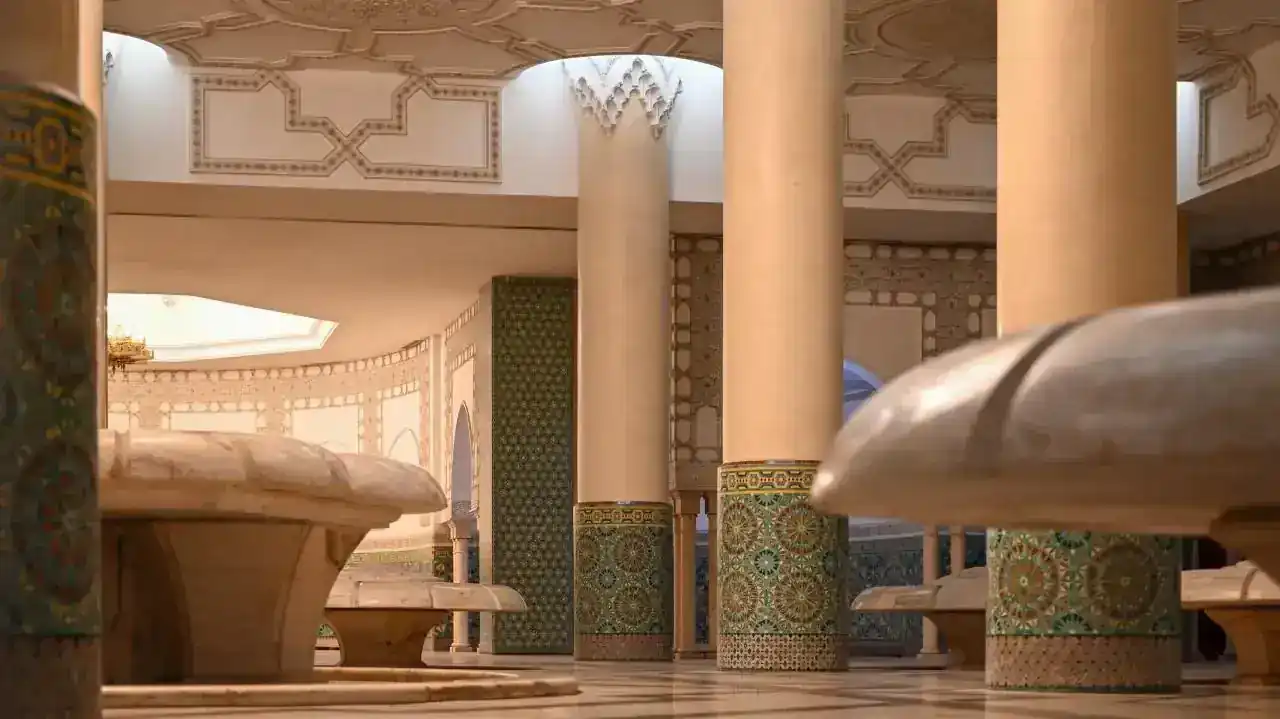
Morocco assaults the senses in the best possible way. Spice markets overload your nose. Atlas Mountains dominate the horizon. Medinas twist like puzzles. It’s overwhelming, exhausting, and completely addictive. Here’s how to navigate the madness.
Marrakech: The Gateway
Start here. Most international flights land in Marrakech, and the city makes a natural introduction to Moroccan chaos.
The medina forms the heart of everything. This UNESCO-listed old city packs mosques, riads, and souks into a walled labyrinth. Getting lost isn’t just likely—it’s inevitable. Embrace it.
Djemaa el-Fna square transforms after dark. Snake charmers and tooth pullers give way to food stalls grilling kebabs and pouring fresh orange juice. The smoke, the noise, the crowd—it’s sensory overload. Find a rooftop café overlooking the scene. Order a mint tea. Watch the show unfold below.
Stay in a riad if possible. These traditional courtyard houses have been converted into boutique hotels. Most cost $50-150 per night and include breakfast on the terrace. Book something inside the medina walls for the full experience.
Fez: The Ancient Soul
If Marrakech feels like Morocco’s face to the world, Fez is its heart. This city operates on a different timeline.
The Fez medina claims the title of world’s largest car-free urban zone. Over 9,000 winding streets. Donkeys carrying goods through passages too narrow for carts. Tanneries dating back to the 11th century still produce leather using medieval methods.
Chouara Tannery offers the most famous view. Climb to a surrounding rooftop and watch workers stomp hides in stone vessels colored with natural dyes. The smell hits before you see anything. Mint sprigs help. So does breathing through your mouth.
Fez deserves at least three days. Hire a local guide for your first venture into the medina. After that, you’ll recognize landmarks and navigate on instinct.
Chefchaouen: The Blue City
Rif Mountains hide this small city, its buildings washed in shades of blue from periwinkle to deep indigo. No one’s entirely sure why the tradition started. Jewish refugees brought the color in the 1930s? Mosquito repellent? Pure aesthetics?
Doesn’t matter. The effect is stunning.
Chefchaouen moves slower than Marrakech or Fez. Fewer touts. More relaxed vibe. Photographers lose entire days chasing light through blue alleyways. Hikers use the town as a base for treks into Talassemtane National Park.
Three hours by bus from Fez. Two from Tangier. Worth the detour.
The Sahara: Desert Dreams
No Morocco trip is complete without a night in the desert. The Erg Chebbi dunes near Merzouga offer the classic Saharan experience—golden sand rising 150 meters, camel caravans silhouetted against sunset.
Tours run from one to four nights. A typical itinerary: arrive in Merzouga by afternoon, mount camels for the two-hour trek to camp, watch stars appear in absolute darkness, wake before dawn for sunrise over the dunes. Breakfast in a nomad tent. Camel ride back.
Bring layers. Desert temperatures swing 30 degrees between day and night. A good sleeping bag matters more than you’d think.
Most travelers book tours from Marrakech or Fez. The drive takes a full day either way. If time allows, stop in the Dades Valley and Todra Gorge along the route.
Atlas Mountains: Village Life
Morocco’s not all desert and medinas. The Atlas Mountains stretch across the interior, home to Berber villages unchanged for centuries.
Imlil makes the easiest base, just 90 minutes from Marrakech. From here, day hikes lead to waterfalls and viewpoints. Multi-day treks cross high passes and stay in village guesthouses. Mount Toubkal, North Africa’s highest peak, can be climbed in two days with reasonable fitness.
The scenery surprises everyone. Terraced fields cling to mountainsides. Mule trails replace roads. Women wash clothes in streams while kids wave from doorways. It’s Morocco at its most authentic.
Hire a guide through a registered agency. Independent hiking works, but local knowledge transforms the experience.
Moroccan Food: Eat Everything
Let’s talk about the real reason you’re here.
Couscous: Friday is couscous day. Families gather for steamed semolina topped with vegetables and meat. Restaurants serve it daily, but the Friday version hits different.
Tagine: Slow-cooked stews named for their conical clay pots. Lamb with prunes. Chicken with preserved lemons. Vegetables with olives. Every region has specialties.
Pastilla: Sweet and savory pigeon pie dusted with cinnamon sugar. Sounds weird. Tastes incredible.
Street food: Harira soup breaks Ramadan fasts but appears year-round. Grilled sheep’s head requires courage but rewards the brave. Fresh bread appears everywhere, baked in communal ovens.
Mint tea: Morocco’s national drink. Gunpowder green tea, fresh mint, and enough sugar to make your dentist cry. Refusing tea is rude. Accept, even if you don’t finish.
Practical Matters
When to visit: Spring (March-May) and fall (September-November) offer ideal weather. Summer cooks the interior. Winter brings snow to the Atlas.
Dress code: Morocco’s Muslim but moderate. Women don’t need headscarves, but covering shoulders and knees shows respect. Men should skip the tank tops.
Money: Dirhams can’t be exchanged outside Morocco. Bring euros or dollars and change at airports or banks. ATMs exist in cities but not rural areas.
Haggling: Expected in souks. Start at half the asking price. Meet somewhere in the middle. Keep it friendly—this is theater, not combat.
Safety: Morocco’s among Africa’s safest countries. Petty theft exists in tourist areas. Violent crime is rare. Women traveling alone should expect attention but rarely danger.