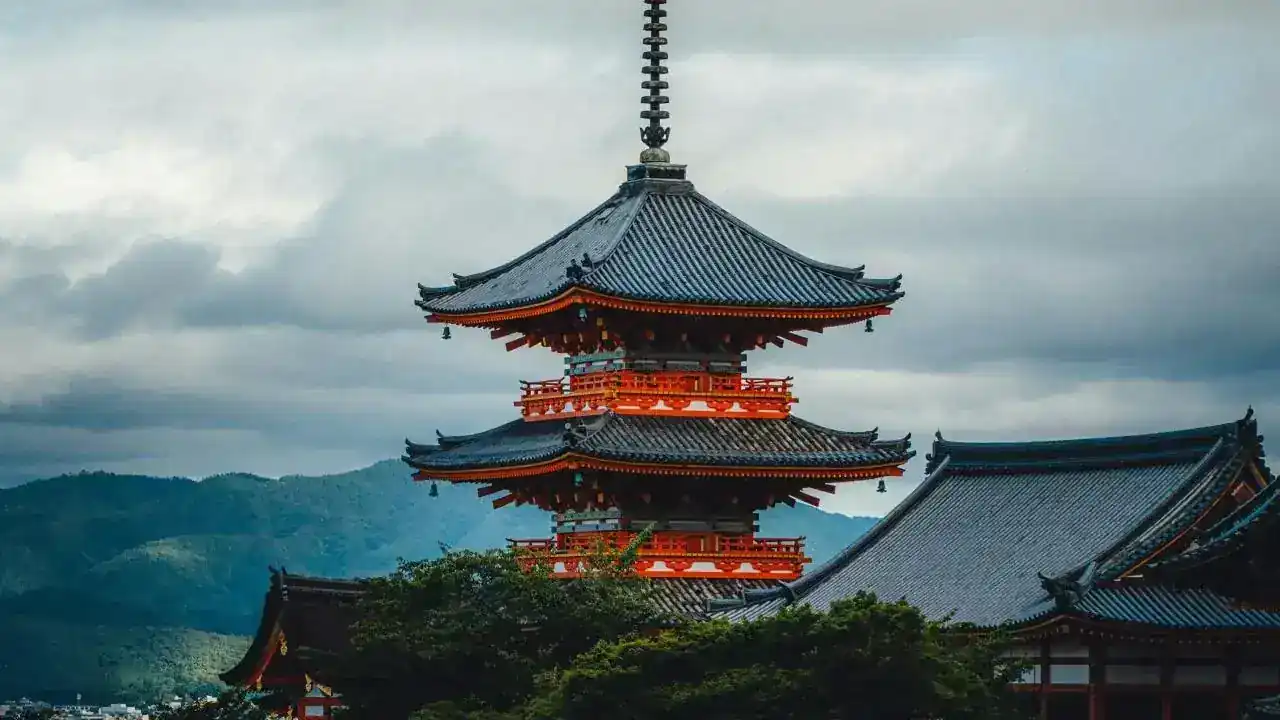
Japan’s Cherry Blossom Season: The Ultimate 2026 Travel Guide
Japan s Cherry Blossom Season: The Ultimate 2026 Travel Guide. Explore practical guides planning tips, itinerary ideas, and local highlights on BlooketjoinplayCom.
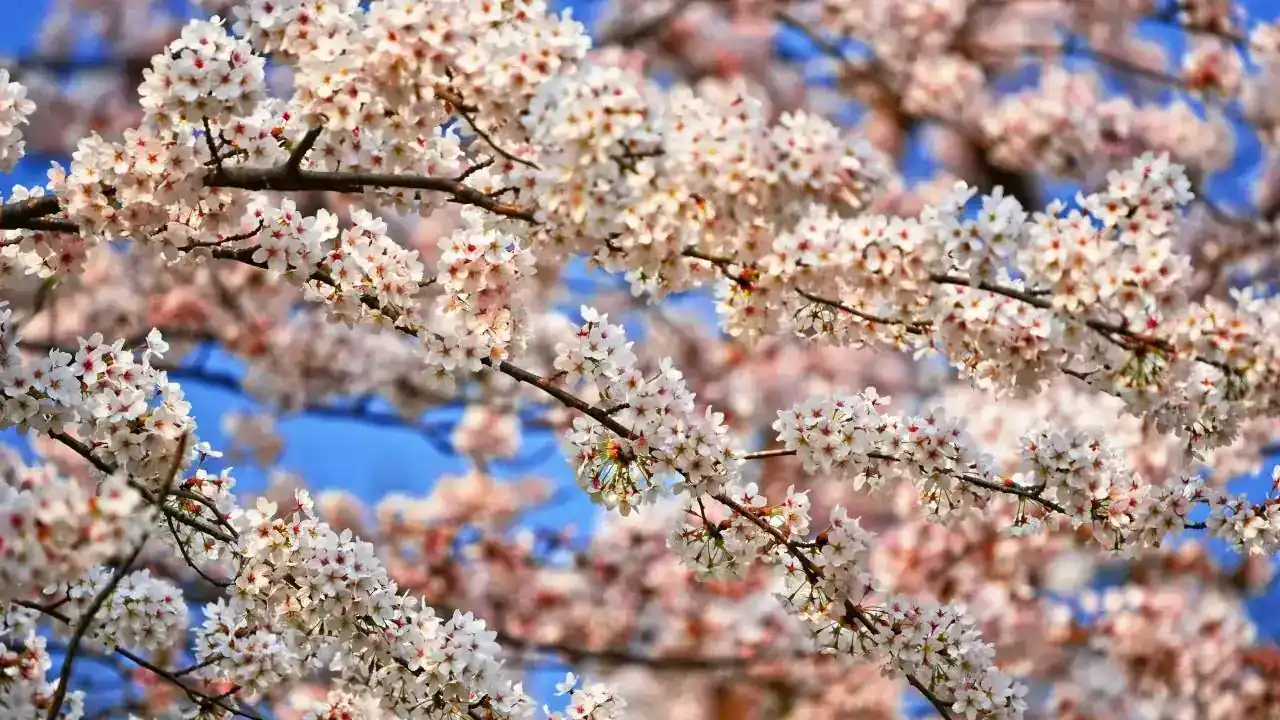
From Tokyo’s bustling parks to Kyoto’s serene temples, cherry blossom season transforms Japan into a pink wonderland. Here’s everything you need to know about planning your sakura trip in 2026.
When to Go: Timing Your Sakura Adventure
Japan’s cherry blossom front moves northward starting in late March, hitting Tokyo and Kyoto typically in the last week of March through early April. In 2026, forecasters predict peak bloom around April 1-7 in central Japan. If you’re heading to Hokkaido, wait until early May. Miss the peak by a few days? Don’t panic—the falling petals create their own magic.
Booking accommodations six months ahead isn’t excessive. Hotels in popular sakura spots fill up fast, and prices triple during peak weeks. Consider staying in business districts like Tokyo’s Shinjuku or Osaka’s Umeda, where hotels often have better availability than tourist-heavy areas.
Best Spots for Hanami in Tokyo
Ueno Park draws the biggest crowds, and for good reason. Over 1,000 cherry trees line its pathways, creating tunnels of pink that feel almost otherworldly. Arrive before 8 AM if you want a decent picnic spot—the park fills up by noon, especially on weekends.
Shinjuku Gyoen offers a more refined experience. This sprawling garden mixes Japanese, English, and French landscaping styles, with early and late-blooming varieties extending your viewing window. The 500 yen entry fee keeps crowds manageable compared to free parks.
Meguro River might be my favorite. Hundreds of trees canopy over the canal, and when petals fall into the water, they create a floating pink carpet. The surrounding Nakameguro neighborhood has fantastic cafes and boutiques for exploring after your walk.
Kyoto’s Temple Gardens and Hidden Gems
Maruyama Park anchors Kyoto’s sakura scene with its massive weeping cherry tree that gets illuminated at night. The atmosphere turns festive with food stalls and sake-drinking locals celebrating under the blooms.
But skip the crowds at Arashiyama’s main strip. Instead, walk 15 minutes north to Okochi Sanso Villa. The entry fee includes matcha and a sweet, and the garden trails offer stunning mountain views framed by cherry branches.
Philosopher’s Path lives up to its poetic name. This canal-side walk connects Ginkakuji to Nanzenji, passing hundreds of trees along the way. Early morning walks here feel almost spiritual—just you, the water, and drifting petals.
What to Pack for Spring Weather
Japan in spring is notoriously fickle. Mornings start cold, afternoons warm up, and evenings dip again. Layering is your best strategy.
Pack a light down jacket that packs into a small pouch. You’ll thank yourself during early morning temple visits or evening illuminations. A compact umbrella is essential—spring showers are common and often brief.
Comfortable walking shoes matter more than you’d think. You’ll easily hit 15,000 steps a day exploring parks and temple grounds. Leave the heels at home; even fancy restaurants in Japan rarely require them.
Cultural Etiquette for Hanami
Hanami isn’t just flower viewing—it’s a social tradition. Locals stake out spots early, laying down blue tarps and setting up elaborate picnics. Joining in is welcome, but follow the unwritten rules.
Don’t walk on people’s tarps or block their view. Keep noise levels reasonable, especially near residential areas. Clean up everything you bring—Japan’s parks stay pristine because everyone takes responsibility for their mess.
If a local group offers you sake or snacks, accept graciously. Sharing food and drinks under the blossoms is part of the experience. You might make friends without speaking a word of Japanese.
Budget Planning and Money-Saving Tips
Cherry blossom season is peak tourist time, but you don’t need an unlimited budget. The JR Pass still offers value if you’re traveling between cities, though prices increased in 2024.
Eat like a local at convenience stores and department store food halls. A bento box from 7-Eleven costs under 600 yen and often tastes better than restaurant meals twice the price. Many temples and parks allow outside food—perfect for hanami picnics.
Free walking tours operate in most major cities. Tip what you can afford, and you’ll get local insights no guidebook covers. Some of my best Japan discoveries came from guides’ recommendations.
Getting Around During Peak Season
Trains get packed during sakura season, especially on weekends. The Keihan Line between Kyoto and Osaka turns into a rolling flower-viewing party, but personal space becomes a distant memory.
Consider traveling during weekday mornings. You’ll share popular spots with retirees and photographers rather than tour groups. The golden hour light also makes for better photos than harsh midday sun.
Rent a bicycle in Kyoto—it’s flat, bike-friendly, and lets you cover more ground between temple visits. Most hotels offer rental recommendations, or use public bike-sharing apps.