
Sustainable Travel in 2026: How to Explore Without Destroying
Sustainable Travel in 2026: How to Explore Without Destroying. Explore practical guides planning tips, itinerary ideas, and local highlights on BlooketjoinplayCom.
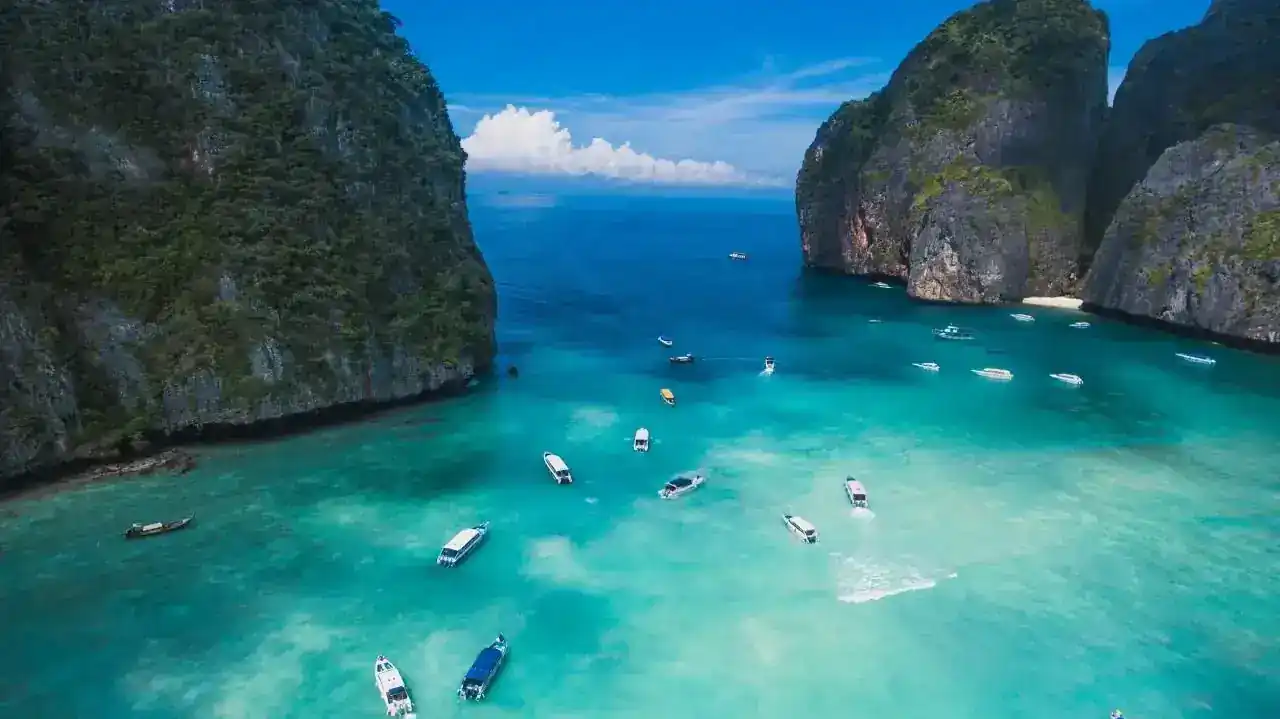
Overtourism and climate change are reshaping how we travel. Here’s your practical guide to exploring the world responsibly while still having incredible experiences.
Why Sustainable Travel Matters Now
The travel industry accounts for roughly 8% of global carbon emissions. That’s not just flights—it’s hotel energy use, ground transportation, and the food we eat while traveling. Every trip has an impact, but conscious choices can dramatically reduce yours.
Popular destinations from Venice to Machu Picchu have implemented visitor limits. Some places, like Thailand’s Maya Bay, closed entirely to let ecosystems recover. These aren’t temporary inconveniences—they’re signs that our old travel habits need updating.
The good news? Sustainable travel often leads to better experiences. You’ll connect more deeply with places, meet locals instead of just other tourists, and leave with stories that don’t revolve around crowded landmarks.
Choosing Lower-Impact Transportation
Flying economy instead of business class cuts your carbon footprint by about 75%. The extra space comes at a massive environmental cost. If you can afford premium cabins, consider offsetting the difference.
Direct flights matter more than you’d think. Takeoff and landing generate the most emissions, so one direct flight beats two connections. Plus, you’ll arrive less exhausted and have more time at your destination.
Once you’ve landed, trains beat planes for distances under 500 miles. Europe’s rail network makes this easy, but even in North America, routes like Seattle to Portland or Boston to New York work well. You’ll often arrive downtown faster than flying when you factor in airport time.
Accommodation Choices That Make a Difference
Large chain hotels consume enormous resources. Housekeeping changes towels daily whether you need it or not. Swimming pools and golf courses in arid regions divert water from local communities.
Small, locally-owned guesthouses keep money in the local economy. You’ll often get better insider tips than any guidebook offers. Many family-run places have become highlights of my trips rather than just places to sleep.
Couchsurfing and house-sitting take this further. You’re staying in existing housing stock, adding zero additional resource use. These options also connect you with locals in ways hotels never will.
Eating and Drinking Responsibly
That imported steak in Bali traveled thousands of miles to reach your plate. Local vegetarian options typically have a fraction of the environmental impact. This doesn’t mean going fully plant-based—just being mindful.
Street food often beats restaurants for sustainability. Small vendors use less energy, source locally, and produce minimal waste. Plus, you’re supporting individual entrepreneurs rather than corporations.
Refill water bottles instead of buying plastic. Many destinations now have public refill stations. If you’re traveling somewhere without safe tap water, bring a filter rather than contributing to plastic waste.
Supporting Local Communities
All-inclusive resorts might seem convenient, but they often extract wealth from destinations. Locals get low-wage service jobs while profits flow to foreign corporations. Your tourist dollars barely touch the local economy.
Book tours with local guides directly rather than through international platforms. You’ll pay less and your guide will earn more. Sites like Airbnb Experiences and local tourism boards can connect you with independent operators.
Buy souvenirs from artisans, not mass-produced trinkets. That carved mask might cost more than the factory-made version, but it supports traditional crafts and provides genuine income to skilled workers.
Offset Programs: Helpful or Greenwashing?
Carbon offsets aren’t a free pass to pollute, but they’re better than nothing if you’ve already minimized your footprint. Look for programs certified by Gold Standard or Verified Carbon Standard.
Tree-planting offsets are problematic—many trees die within a few years. Renewable energy and methane capture projects offer more reliable carbon reduction.
Some airlines include offset options during booking. These are convenient but often overpriced and under-verified. Research independent programs before your trip for better value and impact.
Destination Choices for 2026
Consider visiting places actively working on sustainability. Costa Rica generates nearly all its electricity from renewables. Bhutan is carbon-negative, absorbing more CO2 than it produces.
Visit overtouristed destinations during shoulder seasons. You’ll experience less crowded attractions, support businesses during slower periods, and often get better prices on accommodations.
Emerging destinations need tourism dollars but haven’t yet been loved to death. Albania, Georgia, and Rwanda offer incredible experiences while being gentler on your wallet and the planet.