
Digital Nomad Hotspots for 2026: Where Remote Workers Are Heading
Digital Nomad Hotspots for 2026: Where Remote Workers Are Heading. Explore practical guides planning tips, itinerary ideas, and local highlights on BlooketjoinplayCom.
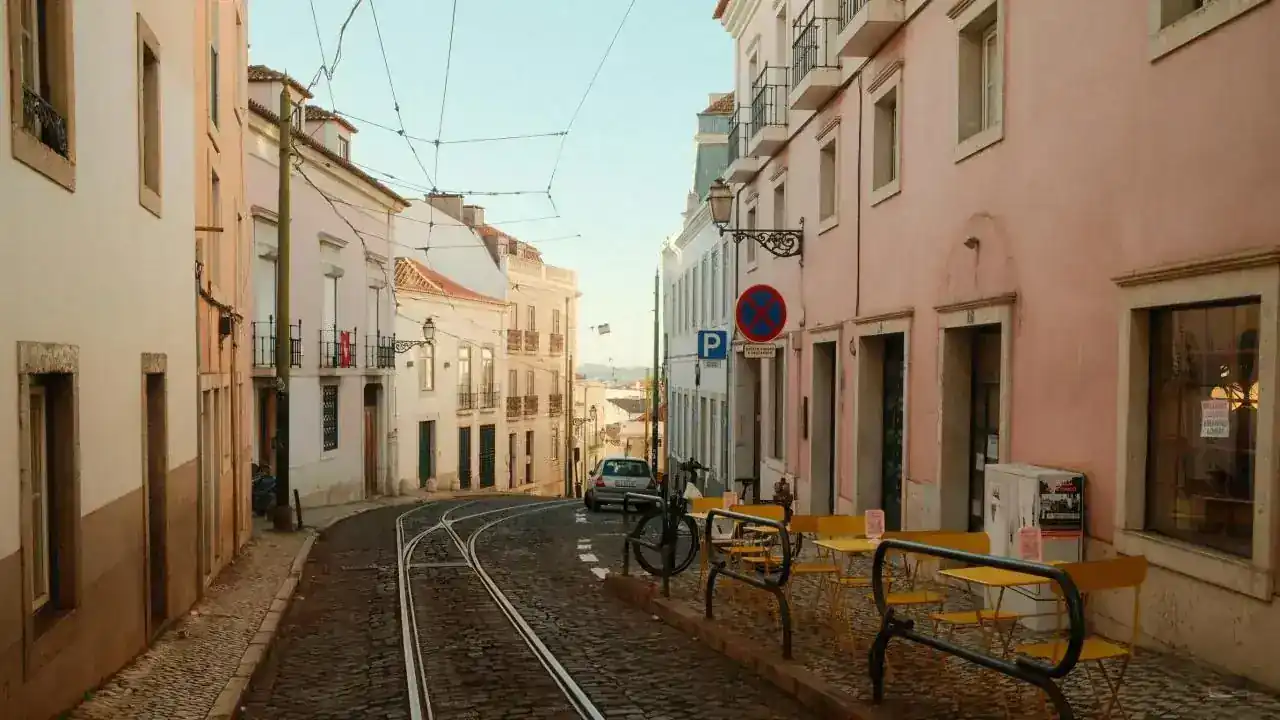
Remote work has permanently changed how we live and travel. These destinations offer the perfect combination of reliable internet, affordable living, and vibrant communities for location-independent professionals.
What Makes a Great Digital Nomad Destination
Reliable internet isn’t optional—it’s essential. Check actual speeds on sites like Speedtest before committing to a location. Co-working spaces often provide better connectivity than cafes or apartments.
Time zones matter more than you’d think. If your clients are in New York, Southeast Asia’s 12-hour difference makes real-time collaboration painful. Mexico or Colombia might work better for North American-based work.
Community prevents the isolation that dooms many nomad experiments. Established hubs have Facebook groups, regular meetups, and co-working spaces where you’ll meet others on similar journeys. This social infrastructure matters more than beach views.
Lisbon, Portugal: Europe’s Nomad Capital
Lisbon has become the default European choice for good reason. The weather is mild year-round, English is widely spoken, and the time zone works for European and African clients. Plus, Portugal’s digital nomad visa makes long stays straightforward.
Rent has increased dramatically in central neighborhoods like Baixa and Chiado. Look instead to Alcântara, Arroios, or even across the river to Almada for better value. You’ll still be 20 minutes from downtown.
The nomad community here is massive. Weekly meetups, co-working spaces, and Facebook groups make connecting easy. Some find it too crowded; others appreciate never eating alone if they don’t want to.
Mexico City, Mexico: North America’s Best Value
Mexico City offers First World amenities at developing-world prices. The food scene rivals anywhere globally, neighborhoods like Roma and Condesa feel like Europe, and flights to the US are frequent and affordable.
Internet reliability varies by neighborhood. Roma Norte, Condesa, and Polanco have the best infrastructure. Always verify connection speeds before signing an apartment lease.
Safety concerns are real but manageable. Stick to well-lit streets at night, use Uber instead of hailing taxis, and avoid certain neighborhoods entirely. Most nomads report feeling safe with basic precautions.
Bali, Indonesia: The Classic Tropical Option
Canggu and Ubud have been nomad hubs for over a decade. The combination of beaches, rice terraces, and incredibly low costs keeps drawing people back. Co-working spaces like Dojo and Outpost have become institutions.
Indonesia’s visa situation has improved. The second-home visa allows stays up to 10 years for those who qualify. The more accessible B211A business visa works for shorter stays.
The party culture in Canggu isn’t for everyone. Ubud offers a quieter, more spiritual vibe. For true peace, consider Amed on the east coast or the islands of Nusa Penida.
Medellín, Colombia: The Rising Star
Medellín’s transformation from dangerous city to nomad hotspot is remarkable. The El Poblado and Laureles neighborhoods offer excellent infrastructure, spring-like weather year-round, and costs far below North America or Europe.
The expat community has grown rapidly. Co-working spaces, language exchanges, and regular meetups make connecting straightforward. Spanish helps enormously here more than in other nomad hubs.
Altitude affects some people. At 1,500 meters, the air is thinner than sea-level destinations. Give yourself a few days to adjust before expecting peak productivity.
Chiang Mai, Thailand: The Budget Option
Chiang Mai pioneered the digital nomad movement. Costs remain among the lowest anywhere—decent apartments rent for $300-500 monthly. Street food costs $1-2 per meal. Your money goes further here than almost anywhere.
The city has become almost too popular. Air quality suffers during burning season (February-April). Consider this a dry-season destination and head elsewhere during these months.
The nomad infrastructure here is unmatched. Every cafe has strong WiFi, co-working spaces abound, and finding community requires zero effort. Some find it almost too comfortable—the “Chiang Mai trap” of easy living is real.
Cape Town, South Africa: The Wild Card
Cape Town offers stunning natural beauty, excellent wine, and a creative culture that’s hard to match. The time zone works well for European clients. Costs remain reasonable despite the city’s developed feel.
Load shedding—scheduled power outages—requires preparation. Many accommodations have backup power, but verify this before booking. Mobile data provides internet backup when WiFi dies.
Safety requires more attention here than other nomad destinations. Certain areas should be avoided entirely. Ubers are essential after dark. Most nomads who take basic precautions report positive experiences.